A while back I wrote about THWADI - the small habit that creeps in and obstructs your day to day life without you even noticing. Well, there’s more than just THWADI in the way.
Whenever we start working somewhere new, we see things with fresh eyes. We see the small frustrations that slow everyday work down and make life harder, often without anyone noticing they’re there. When you’re part of the team that has to wait six days for signoff, or go through three different companies to get the cleaner to add ‘cleaning the microwave’ to their tasks, you know how frustratingly inefficient it is on the inside.
We call these pebbles in your shoes. After a while we stop noticing them and just walk a little differently.
What is Waste?
Waste is anything that takes time, effort or resources without adding value for the people we serve.
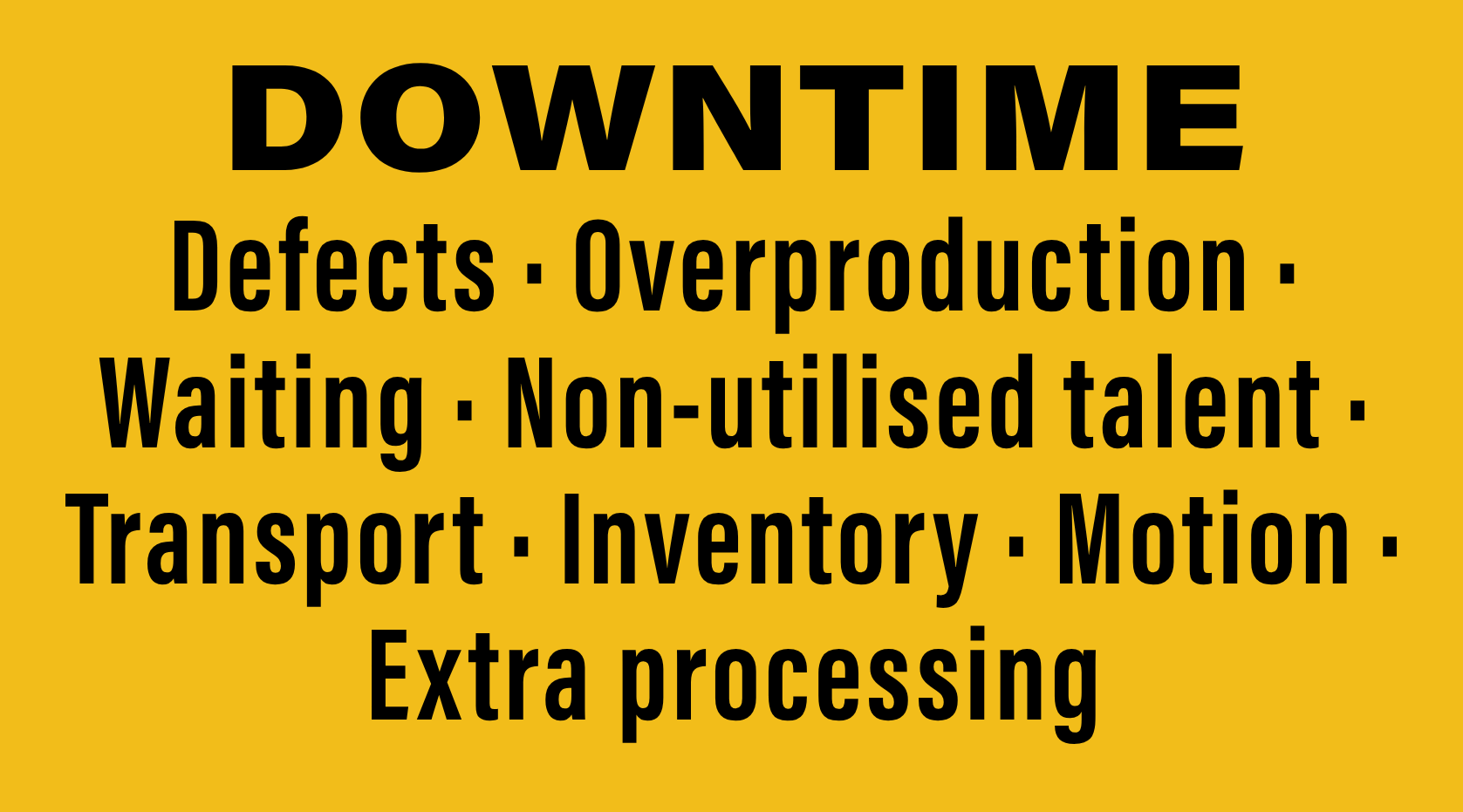
The idea comes from Toyota’s production system, which many people now know as Lean. Taiichi Ohno named seven wastes, and an eighth was added later. They were born on the factory floor, but we see them everywhere: in offices, warehouses, contact centres and IT teams.
Over time, we’ve found five that cover most of the pebbles people tell us about.
Waiting: delays waiting for an answer, some equipment or access to a system
Again: reworking something because it wasn’t right or complete the first time
Searching: time spent hunting for the right person, tools, equipment or information
Talent untapped: skills, experience and support not used, often because nobody asked
Extra steps: effort that adds nothing for the people we serve
They’re easy to remember and work just as well for a desk job as a hands-on one. Handily, they spell WASTE!
In the public sector, value isn’t about profit. It’s about the difference our work makes to people’s lives. If something gets in the way of that, it’s worth a second look. Our Value Buckets are a quick way to talk about what value means for your team.
Why We Love It
Wastes are a favourite because they help shift the conversation:
Giving everyone a shared language - once people can name a waste, they can talk about it without it sounding like a complaint.
Making the invisible visible - the workarounds we stopped noticing years ago suddenly show up.
Challenging old habits - naming the waste makes it easier to question "this is how we've always done it". My old friend THWADI lives here.
Focusing on the work, not the people - waste lives in how the work flows, not in anyone being lazy or careless.
Keeping change in the team's hands - most waste can be removed this week, without a business case or a project.
Freeing up time to deliver what matters - every small fix gives a little time back to the people we serve.
Working for everyone - you don't need to be in IT or on an agile team to spot waste.
When We Use It
We reach for Wastes when we want people to feel they can change how the work gets done, not just do it. Spotting waste invites people to question the way things are, try new ideas and fix things without waiting to be asked. It's a good place to start when:
The team is busy, but things don't seem to move.
Someone's about to ask for more people, more money or a new system.
Retrospectives keep surfacing the same frustrations.
A new way of working needs to reach beyond a single project or team.
New people join and ask "why do we do it like this?"
Anyone says “that’s not ideal”!
Wastes work best on the small stuff. When the team spots waste that's too big to fix in a week or ideas need more time, tools or support, they’re a great fit for our Innovation Days: Creating Space to Experiment.
How We Do It
We usually explore wastes in a short, hands-on workshop. It works just as well with one team as with a whole organisation in the same room.
Pick an area - we simply describe a part of the work where the team already feels the friction. If the work is hard to see, Story Mapping: Making Work Visible helps show how it really flows.
Brainstorm the frustrations - the team lists what slows them down or gets done twice, one sticky per niggle.
Name the waste - we use the waste cards to label each one. It's fine if one fits two wastes but we normally pick the primary one.
Ask who benefits - who would notice if it disappeared, and what difference would it make to them?
Ask why it’s there - before we remove anything, we check why it exists. Some waste is a choice, like a safety check or a compliance step. If it’s there for a good reason, we look for a simpler way to do it rather than dropping it. And if the only answer is THWADI, that’s a good sign it’s time for a change.
Design a small experiment - the team picks one change to try this week and agrees how they'll know it worked.
Share what we found - a few minutes of show and tell spreads the ideas and the energy.
The goal isn't a long list of waste. It's one small change the team actually makes.
Things to Look Out For
Don't argue about the label - plenty of frustrations fit two wastes. The name is there to start a conversation, not end one.
It's the system, not the people - waste is never about someone being lazy. Quality Debt slides into even the best designed processes. Most of it comes from good people working around a process that no longer fits. This matters most with unused talent, which can easily feel personal.
Some waste is a choice - not everything that looks like waste is. Some steps are there to keep people safe or meet the rules.
Start small - big problems are tempting but slow. Pick one or two quick wins, and use Brutal Prioritisation: Finding the Real Musts if the team can't agree which.
Don’t just make a list - without an action, they’re just complaints.
Some pebbles are boulders - not everything is in your control. A system only IT can fix, or a policy set somewhere else. Pass those on, then focus on the part you can change.
Try It With Your Team
We recommend practising on something familiar before you try it at work. That way you'll focus on learning the wastes, not defending your process.
A great example is the morning coffee run in the office kitchen. Waiting for the jug to boil, hunting for a clean mug, an empty milk bottle still sitting in the fridge. How many of wastes can you spot?
Our kit includes our five Waste cards to use as a reference point in your own waste spotting.
Try it and let us know how you get on!
Free Waste cards coming soon.
Our RAFT Series

✦ Our CoLab RAFTs - Rapid Agile Forecasting & Tracking skills - are practical tools we use every day in our coaching and training to help teams make work visible and performance-focused.
Curious? Let’s talk toni@agilecolab.com
Version 2, last updated on 19 November 2026